Exploring Traditional Lithuanian Crafts
Lithuania boasts a rich heritage of traditional crafts, which reflect the culture and history of the region. This article delves into the significance, techniques, and contemporary relevance of these crafts, providing readers with a comprehensive understanding of why they are valued in today's society.
Understanding the Significance of Lithuanian Crafts
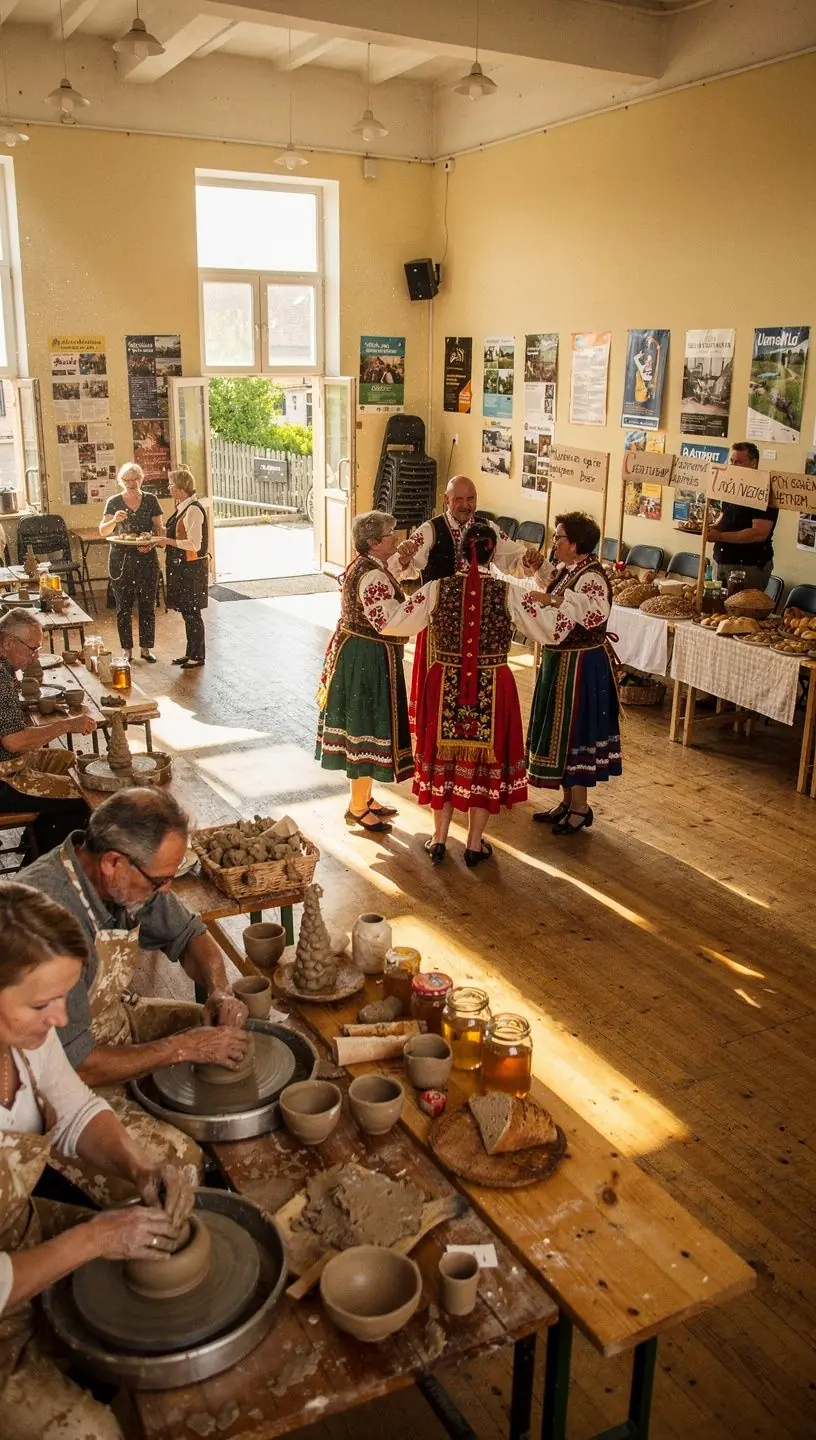
Traditional Lithuanian crafts encompass a variety of artistic expressions, including weaving, pottery, wood carving, and embroidery. These crafts are often passed down through generations, representing not only artistic skills but also the cultural identity of the Lithuanian people. According to research by the Lithuanian National Museum, these crafts are integral in preserving local history and fostering community ties.
"Craftsmanship is a bridge between the past and the present, allowing us to appreciate our roots while innovating for the future."
Traditional Techniques and Their Applications
The techniques involved in traditional Lithuanian crafts vary significantly, each with its own historical context and methodology:
- Weaving: Typically involves using a loom to create intricate patterns. This process can require months of learning and practice, often yielding beautifully crafted textiles.
- Wood Carving: This craft demands not only artistic ability but also a deep understanding of the properties of wood. Many artisans report that it can take several years to master this skill.
- Pottery: Involves shaping clay and firing it in a kiln. The craft can be time-consuming, with many potters noting that achieving the desired results may take numerous attempts.
Modern Relevance and Community Engagement
In recent years, there has been a resurgence of interest in traditional Lithuanian crafts, particularly among younger generations. Many communities are organizing workshops and events to promote these skills. According to industry experts, engaging the community in these practices not only preserves cultural heritage but also fosters social bonds.
These workshops often provide participants with hands-on experience, allowing them to learn from seasoned artisans. This practical approach is effective, as studies show that experiential learning can enhance retention of skills by up to 60% compared to traditional classroom settings.
"Engagement in traditional crafts fosters a sense of community and belonging, which is particularly beneficial in today's fast-paced world."
Challenges in Craft Preservation
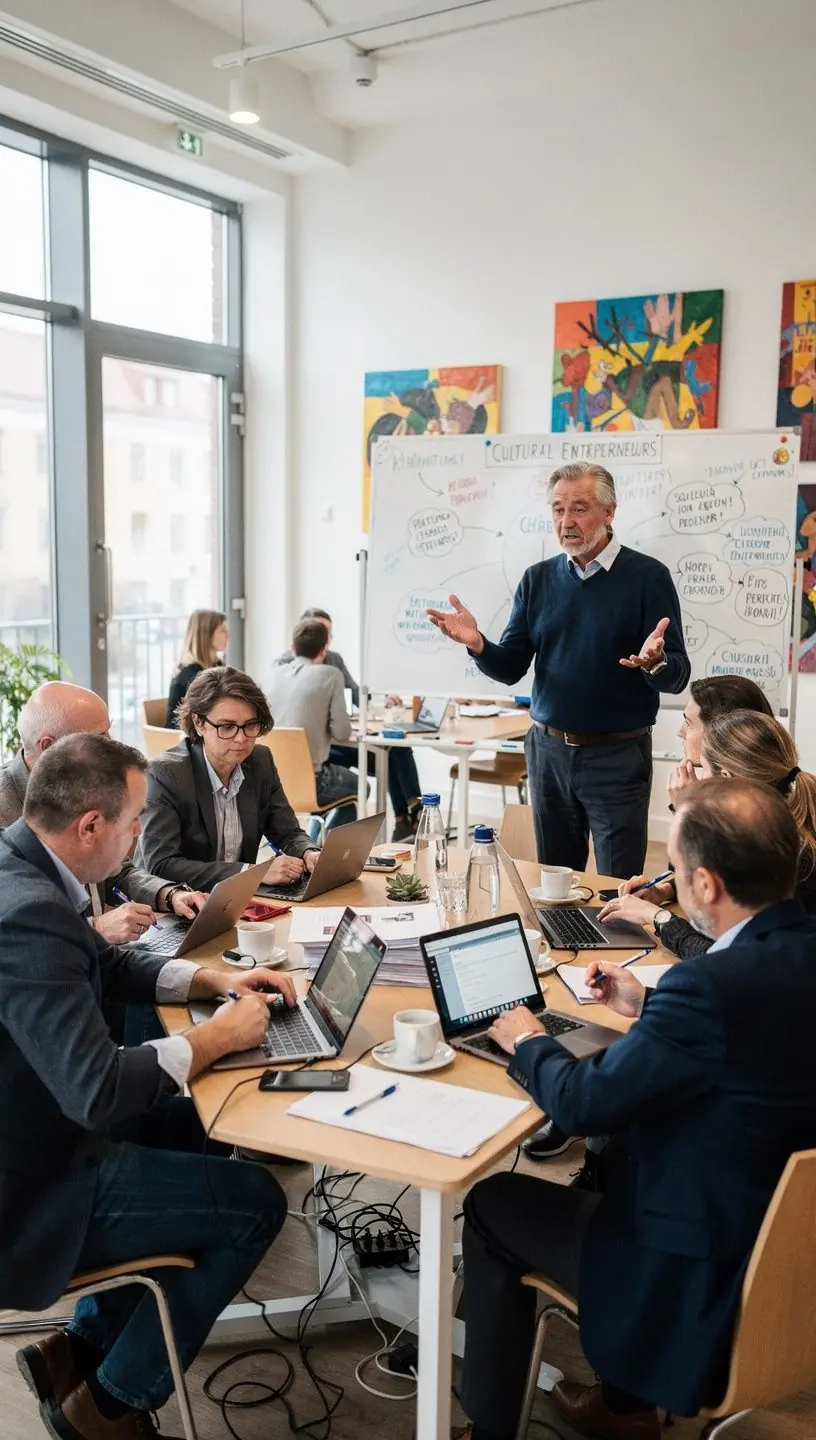
Despite the growing interest in traditional crafts, challenges remain. Many artisans face difficulties in marketing their work, often relying on word-of-mouth and local fairs. Additionally, the time commitment required to master these crafts can deter potential new practitioners.
Experts recommend that communities support artisans by organizing exhibitions and creating online platforms for selling their crafts. This not only helps preserve these skills but also paves the way for sustainable livelihoods.
Conclusion
Exploring traditional Lithuanian crafts offers valuable insights into the nation’s cultural fabric. While the journey to mastering these crafts may demand significant time and effort, the rewards—both personal and communal—are substantial. By supporting local artisans and participating in craft workshops, individuals can contribute to the preservation of this rich heritage while enjoying the therapeutic benefits of creative expression.
Learn More