How to Create a Cultural Calendar for Your Community
Creating a cultural calendar can greatly enhance community engagement and participation. In this article, we will explore effective methods for assembling a calendar that resonates with your community members while considering the various cultural interests that flourish in your region.
Understanding the Basics
When developing a cultural calendar, it is essential to first understand the diverse interests and demographics of your community. Research indicates that communities often thrive when there is a mix of events catering to various age groups and cultural backgrounds. Thus, it’s important to conduct surveys or focus groups to gather insights on what events community members would like to see.
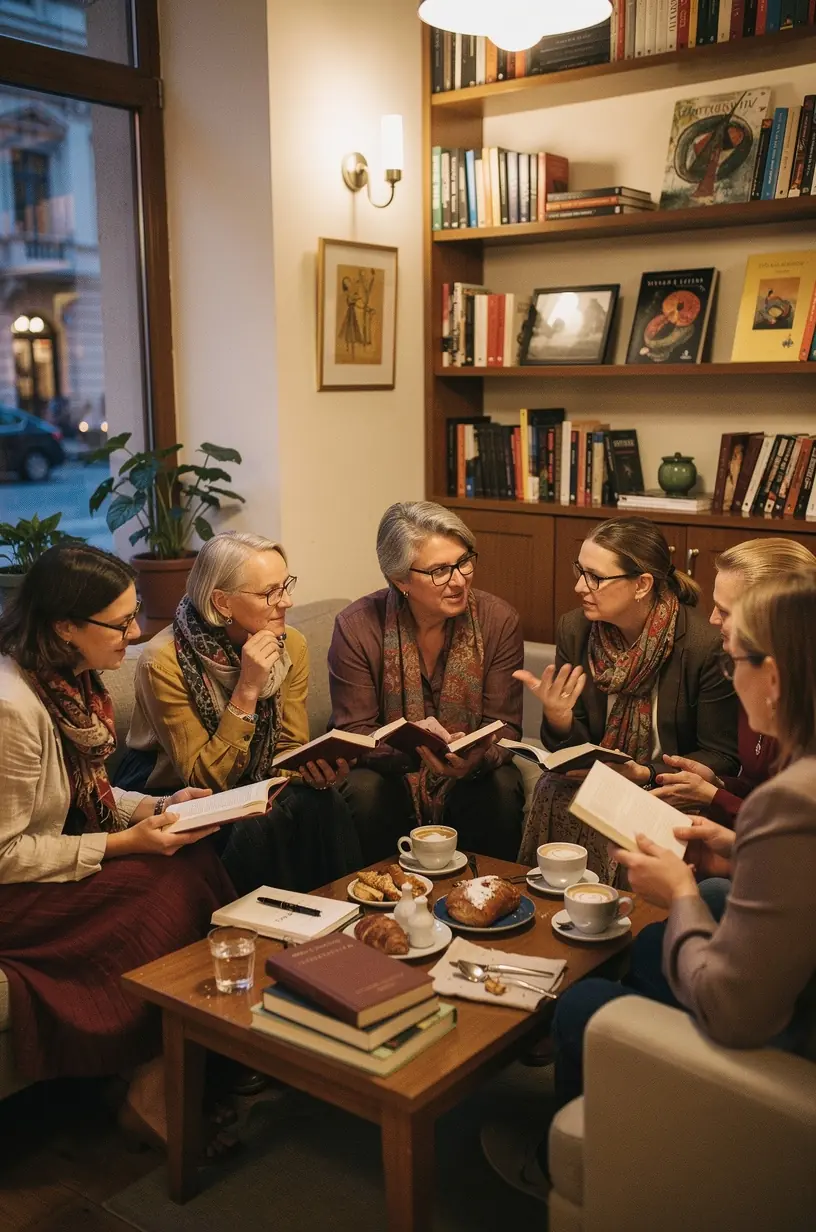
"Communities that actively engage in cultural programming often report increased participation and satisfaction among residents." - Community Engagement Studies
Step-by-Step Process for Creating a Cultural Calendar
The following steps outline a reliable approach to crafting a cultural calendar:
- Research Local Interests: Identify the cultural and recreational interests prevalent in your community. This may include arts, music, history, and sports. According to studies, involving the community in this stage can significantly improve the relevance of your calendar.
- Collaborate with Local Organizations: Partnering with local schools, art councils, and community centers can help you pool resources and share insights. Experts suggest that collaboration leads to a more comprehensive and appealing calendar.
- Establish a Schedule: Once you have identified the events, create a timeline that allows for adequate promotion. Industry standards recommend giving at least 4-6 weeks of promotional lead time for community events to ensure substantial participation.
- Utilize Digital Platforms: Many communities benefit from having an online calendar. This can enhance accessibility and engagement, especially for tech-savvy audiences. However, it's essential to acknowledge that not all demographics may be comfortable with digital platforms. Therefore, maintaining a paper version may also be beneficial for broader reach.
- Gather Feedback: After implementing your cultural calendar, collect feedback from participants to gauge the effectiveness and areas for improvement. This iterative process can help refine future calendars and ensure they meet community expectations.
Addressing Potential Challenges
While creating a cultural calendar, it's important to acknowledge potential challenges, such as:
- Time Commitment: Developing a comprehensive cultural calendar typically takes several weeks and requires ongoing updates and revisions.
- Resource Limits: Not all communities have the same resources. It's important to prioritize events that can be executed within your available budget and manpower.
- Engagement Variation: Participation may differ based on the type of events organized. Some events may attract more interest than others, so be prepared to adjust based on community feedback and engagement levels.
Conclusion
Creating a cultural calendar is a valuable endeavor that can enhance community pride and participation. By understanding local interests, collaborating with organizations, and addressing potential challenges, you can develop a calendar that serves the diverse needs of your community. Remember to prioritize educational value and remain open to feedback, enabling you to refine your approach over time. In doing so, you may find that such initiatives can significantly enrich the cultural fabric of your community.
Learn More