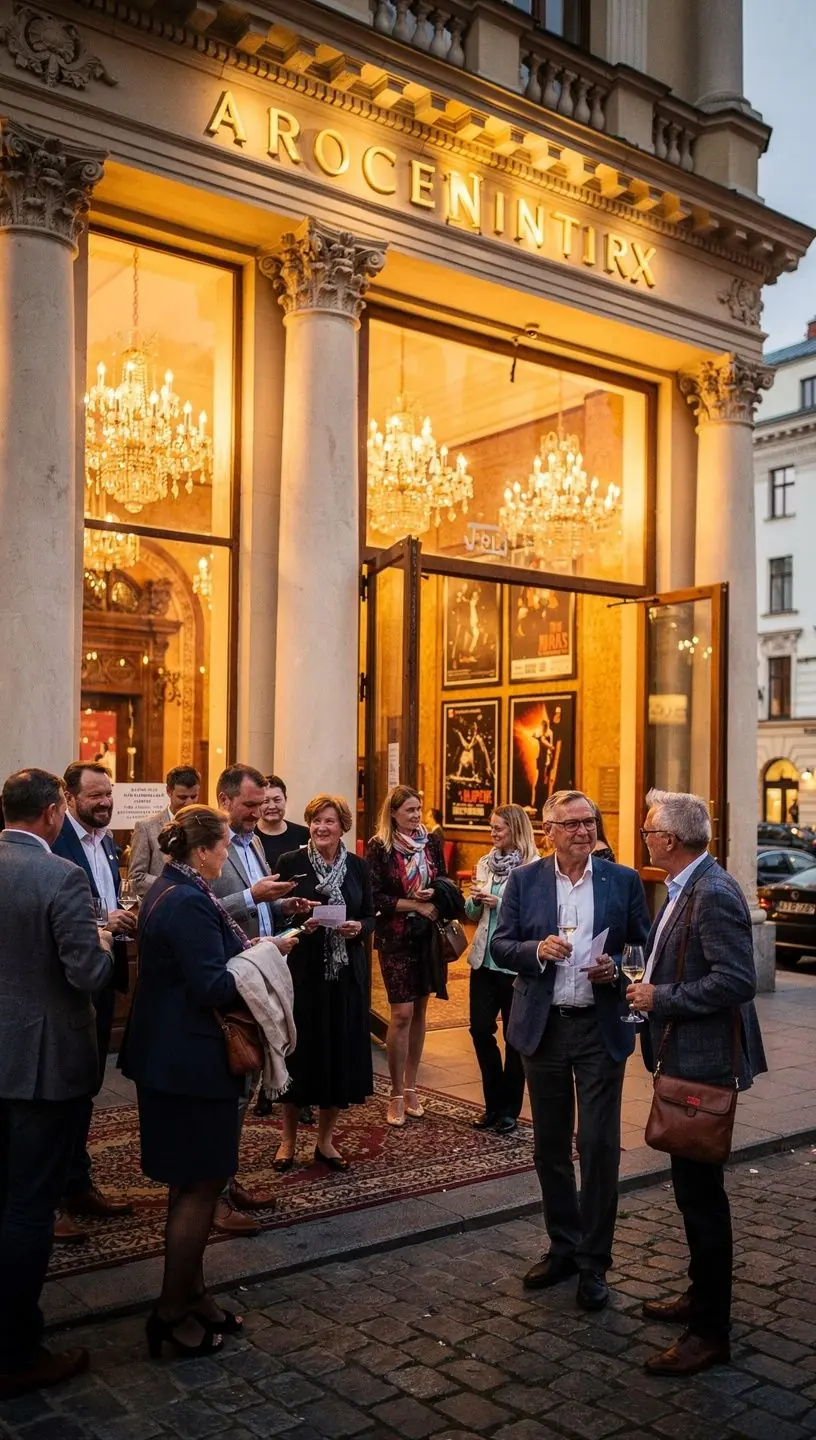
The Impact of Local Art on Community Identity
Local art plays a significant role in shaping community identity, often serving as a reflection of cultural heritage, history, and shared experiences. This article explores how local art influences community cohesion and individual identity, providing insights into its importance.
Understanding the Connection Between Art and Community Identity
Research indicates that local art can foster a sense of belonging among community members. According to studies conducted by the National Endowment for the Arts, communities with vibrant artistic expressions often report higher levels of civic engagement and social cohesion. This connection can be attributed to the shared experiences that art creates, linking individuals to their surroundings and to each other.

"Art has the power to connect people in ways that transcend words, fostering deeper community bonds." - Art Community Expert
The Role of Art in Cultural Expression
Art serves as a powerful medium for cultural expression. Many communities use local art forms, such as murals, sculptures, and performances, to tell their unique stories and preserve their history. This process often involves:
- Collaboration: Local artists frequently collaborate with community members to create works that reflect shared values and experiences.
- Inclusivity: Engaging diverse voices in the artistic process helps ensure that various perspectives are represented, which can enhance community identity.
- Education: Art initiatives often include educational components, which raise awareness about local history and cultural heritage.
Art as a Catalyst for Community Development
Local art initiatives can serve as catalysts for economic and social development. For instance, when communities invest in public art projects, they often see an increase in tourism and local business engagement. Experts suggest that art contributes to revitalization efforts, particularly in urban areas, by:
- Attracting visitors and increasing foot traffic in neighborhoods.
- Encouraging local businesses to participate in community events, creating a more vibrant atmosphere.
- Providing opportunities for artists to showcase their work, which can lead to further economic opportunities.
Challenges and Considerations
While the benefits of local art are clear, there are challenges that communities may face. Funding for art projects can be limited, and there may be differing opinions on the types of art that should be promoted. It is essential for community leaders to:
- Engage with local stakeholders to build a consensus on artistic direction.
- Explore various funding sources, including grants and community fundraising.
- Be open to feedback and adapt projects to ensure they resonate with the community.
Conclusion
Local art has a profound impact on community identity, often functioning as a mirror that reflects the values, histories, and aspirations of its residents. By fostering collaboration, inclusivity, and economic development, communities can harness the power of art to strengthen their identity and cohesion. While challenges exist, a thoughtful approach to local art initiatives can yield significant benefits in enhancing community life.